
Where the gap lives
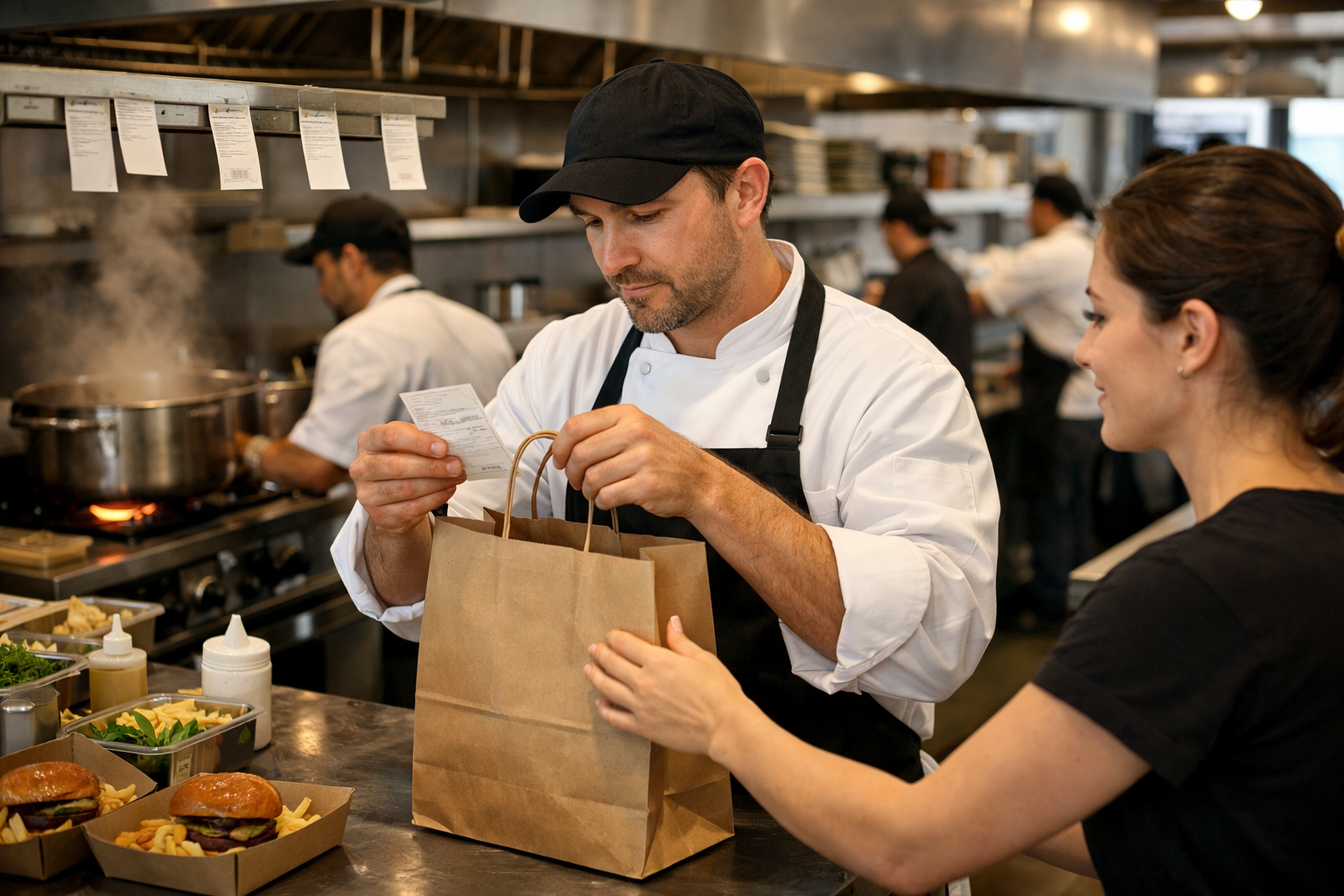
Your POS says the order was correct. Your KDS shows it was bumped on time. Your labor model says you were staffed appropriately. But none of those systems verify whether the order was actually built correctly, packaged correctly, and handed to the right person.
That gap widens fast during peak hours. And across high-volume environments, QSR, fast casual, delivery-heavy stores, the failure modes are consistent:
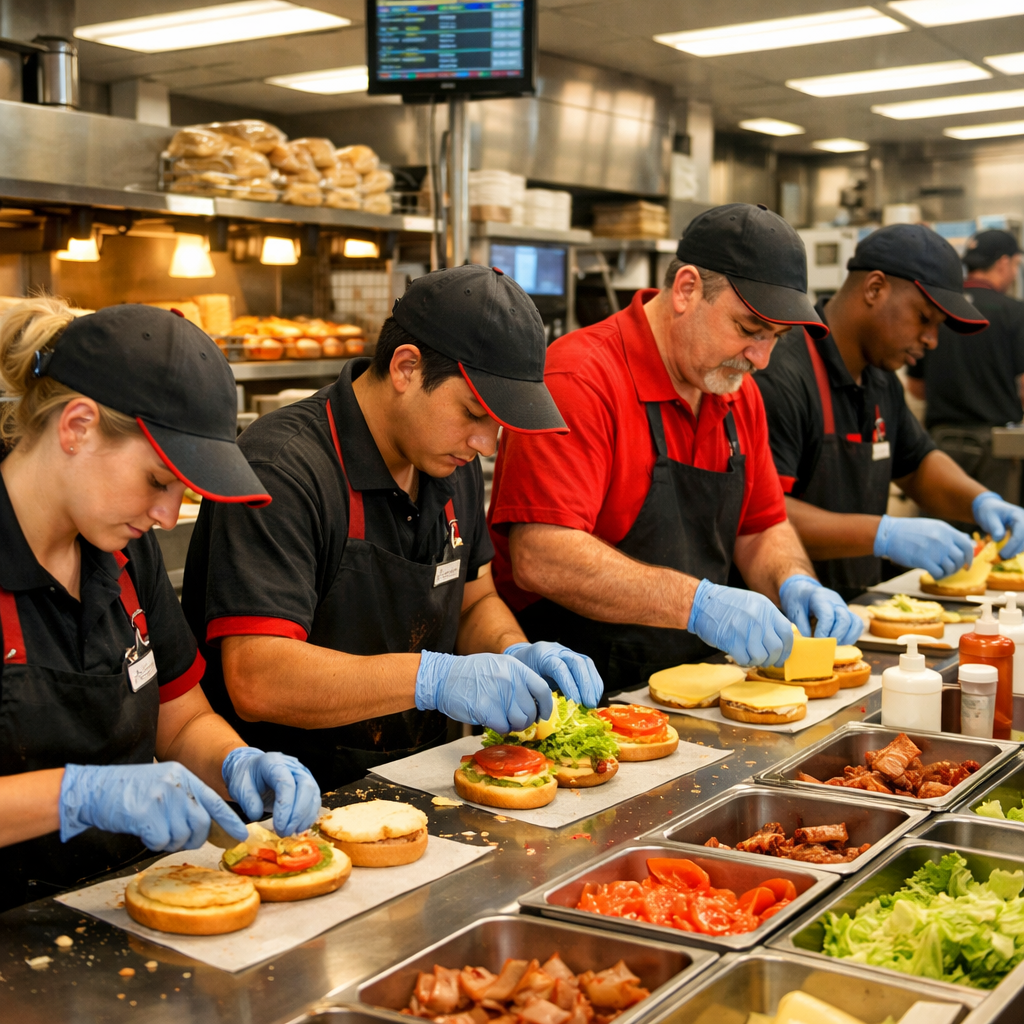
- Assembly errors: Missing items, incorrect builds, dropped modifiers under peak pressure
- Bagging mismatches: Right food in the wrong order bag, wrong bag to the wrong customer
- Expedite breakdowns: Orders leaving before anyone verified them
- Multi-channel complexity: In-store, drive-thru, and delivery competing for the same production capacity
These aren't training failures in isolation. Your team generally knows what "right" looks like. Execution becomes inconsistent when speed, volume, and physical constraints collide, not when knowledge is missing.
Why retraining doesn't fix it
Training is static. Your operation is dynamic. Even a well-trained team will drift when ticket volumes spike past designed throughput, new and experienced staff are mixed together, or layout constraints create congestion at make lines and bagging stations.
And right now, most verification is either manual (expediters, spot checks) or delayed (complaints, refunds, reviews). Both are too late or too expensive to scale across your entire operation.
What refunds actually cost you
Refunds aren't just a line-item expense. They compound:
- Direct refund cost (food plus platform fees)
- Remake labor and throughput disruption during peak
- Delivery platform penalties and ranking degradation
- Customer trust erosion and lifetime value loss
- Operational noise that masks the actual root causes
For multi-location operators, even a 1–2% improvement in order accuracy can translate into millions in recovered margin annually.
See how much revenue you could recover in your restaurant:
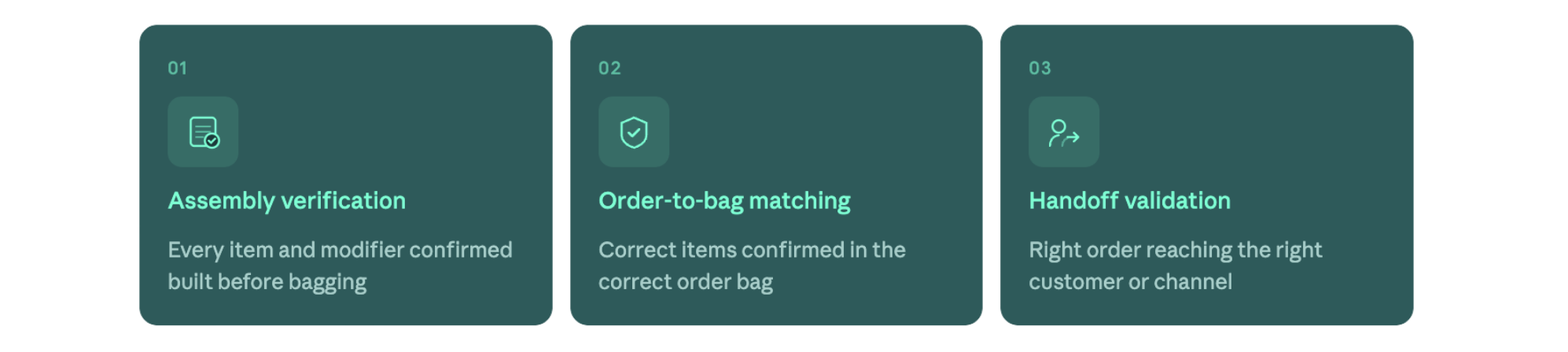
Turning cameras into an operational control layer
Most enterprise operators already have camera coverage across kitchens, make lines, and handoff areas.
When you convert that existing infrastructure into a real-time verification layer, you can detect missing items before the order leaves the store, flag mismatches between order contents and bagging, identify process breakdowns during peak periods, and surface store-to-store variability in execution. Critically, this happens in the moment, not after the refund is issued.
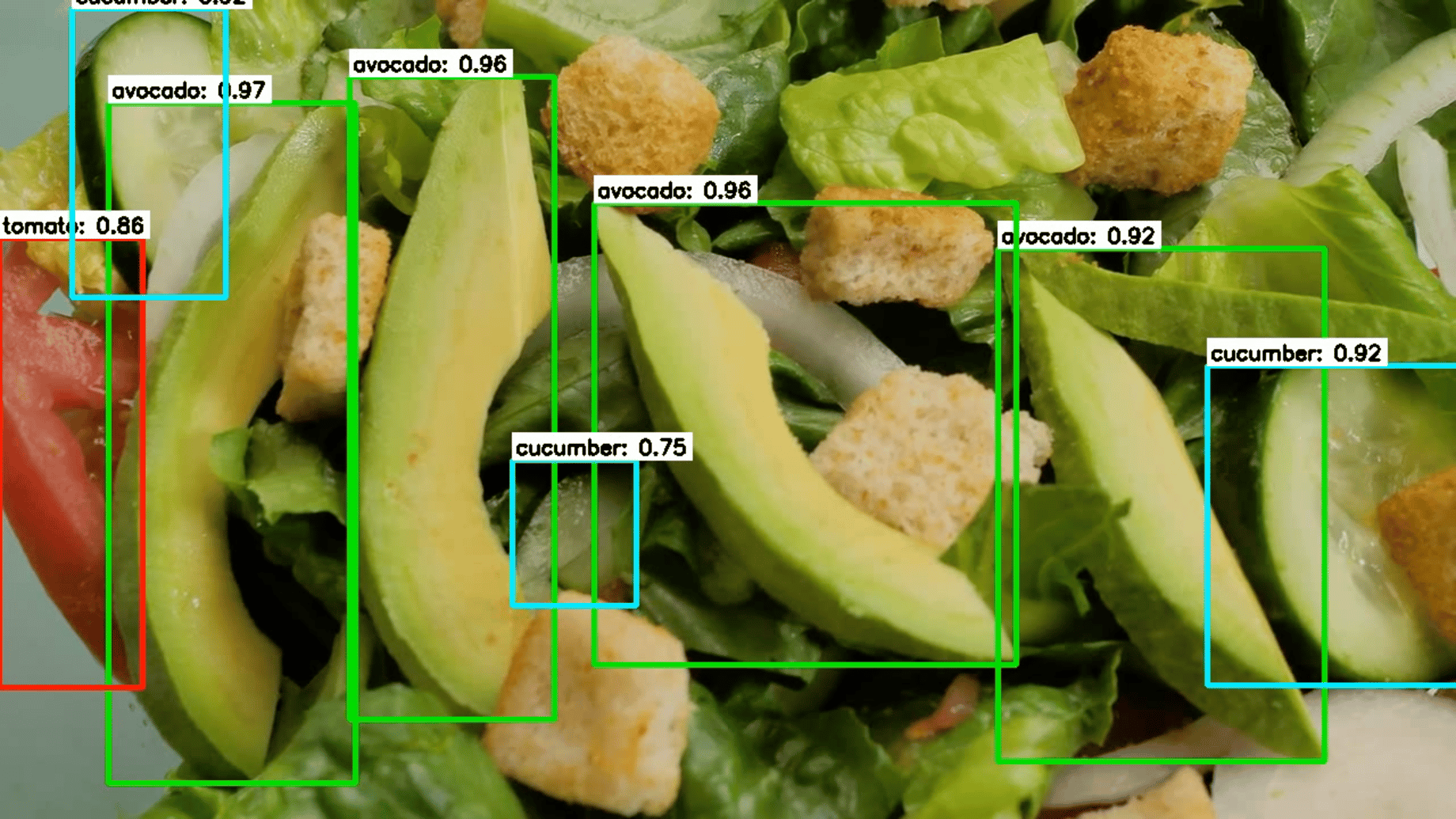
What this looks like in practice
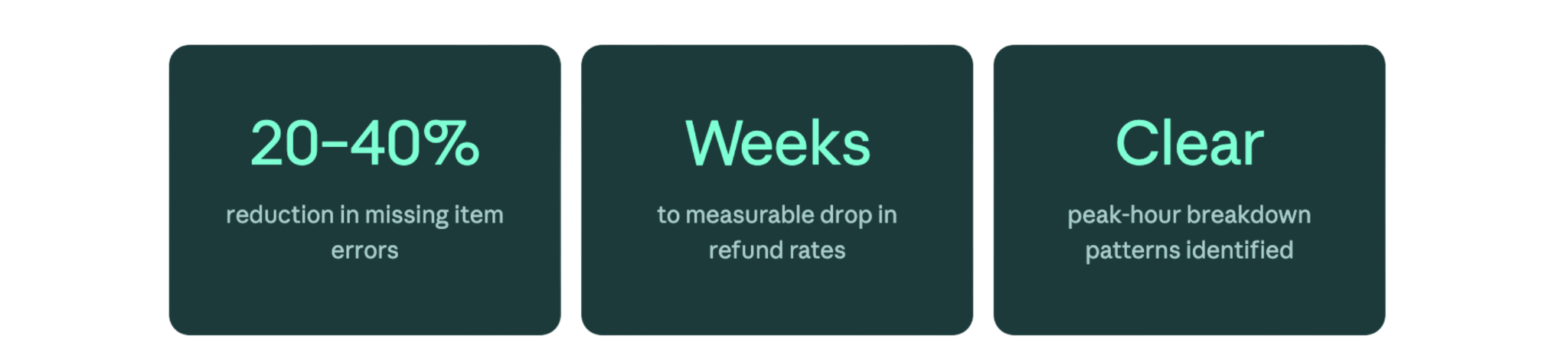
A typical rollout starts with a single, high-impact use case, most often order accuracy at assembly and bagging. In a 30–60 day pilot, a subset of stores with existing cameras are instrumented and focused on one workflow, such as delivery order assembly. Results are consistently measurable:

You Don't Have an Ops Problem. You Have a Visibility Problem.
6 Reasons Your Guest Feedback Software Isn't Fixing Your Order Accuracy Problem

No Comments Yet
Let us know what you think