

The quick-service restaurant (QSR) industry thrives on speed, consistency, and customer satisfaction. In an environment where every second counts and margin pressure is high, computer vision, the AI-powered technology that enables machines to “see” and interpret visual data, is rapidly moving from experimental to essential. By turning ordinary camera feeds into structured, business-critical data, computer vision helps QSRs deliver better service, reduce errors, and protect customer lifetime value.
1. Improve Food Order Accuracy & Kitchen Efficiency
One of the most direct ways computer vision benefits QSRs is by reducing order mistakes, a major driver of wasted food, dissatisfied customers, and lost revenue.
Traditionally, ensuring order accuracy has relied on human checks or post-order corrections, where a portion or the entirety of a meal will be refunded for the error. Computer vision changes that by comparing what a customer ordered with what is actually prepared. Ensuring that high value ingredients, like avocado or salmon, are included in orders. Cameras strategically placed on the preparation line can read the chit for ingredients requested and compare it to what is in the bowl. Monitoring the sequence of items being assembled and detecting if something is missing, incorrect, or out of spec, triggering real-time alerts so staff can fix errors before the order goes out.
This capability is especially critical for restaurants using delivery platforms like DoorDash or Uber Eats. Once an order leaves the premises, customers can’t return to the counter to fix a mistake, they request a refund in the app instead. The result is lost revenue, lower customer lifetime value, and a diminished brand experience.
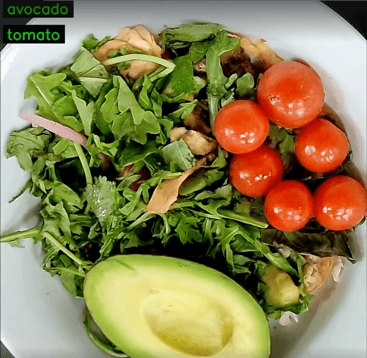
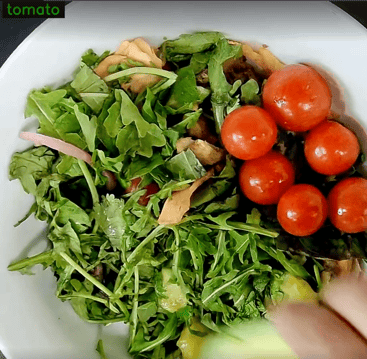
2. Speed Up Drive-Thru and Pickup Operations
Drive-thru lines are the backbone of QSR throughput, but bottlenecks and slow service can undermine the entire guest experience. Computer vision systems can analyze video feeds to detect vehicles, measure queue length, and monitor wait times in real time.
These insights help managers:
- Reallocate staff when queues grow long
- Trigger alerts when service slows
- Predict busy intervals based on flow patterns
Rather than waiting for problems to cascade, restaurants can respond instantly, keeping lines moving faster and customers happier.
3. Monitor Behind-the-Counter Operations
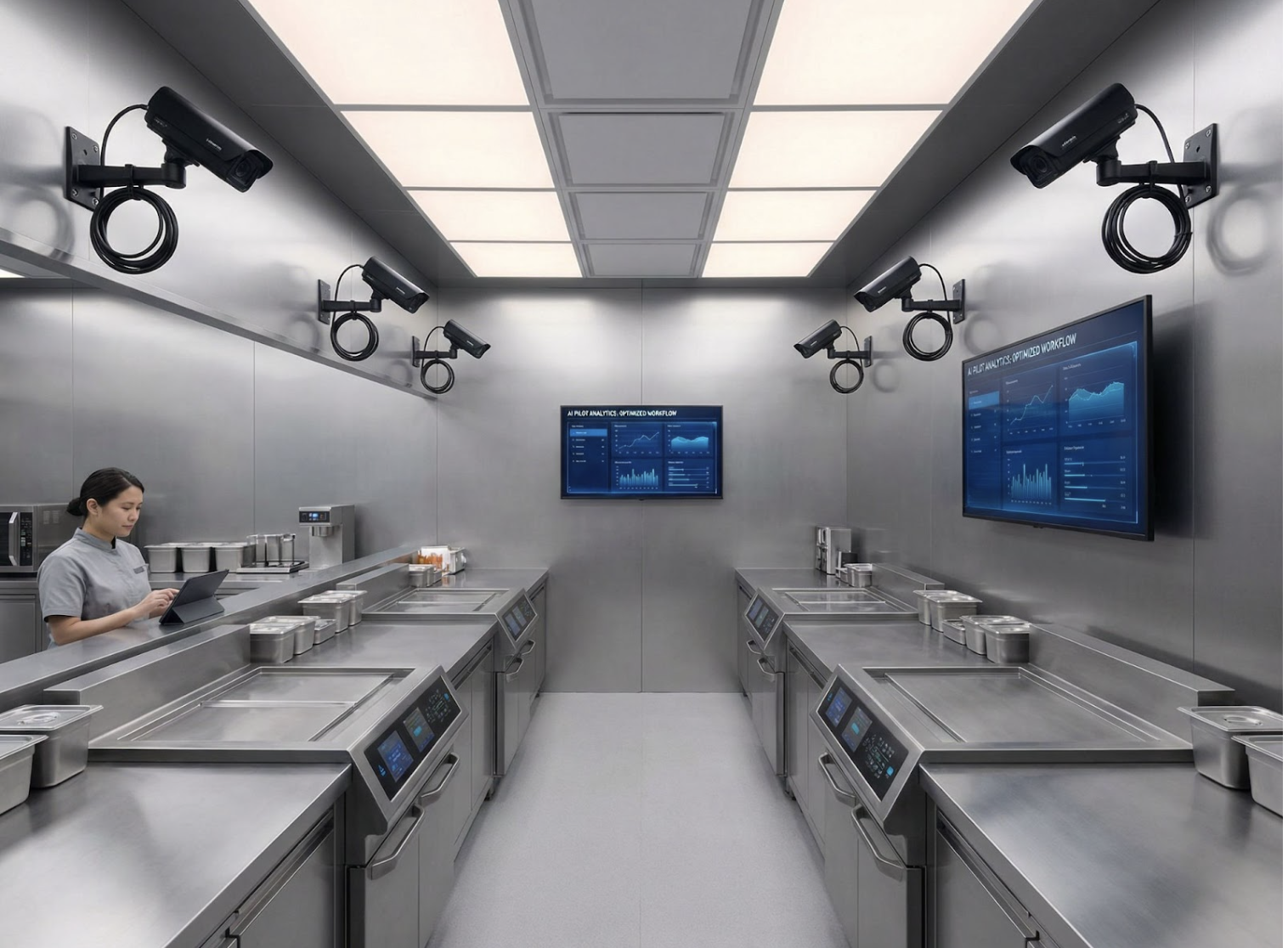
QSR kitchens are fast, complex environments where consistent adherence to procedures matters as much as speed. Computer vision enables more than just front-of-house monitoring, it can watch the back-of-house too.
Imagine a system that can:
- Ensure staff wear required safety gear (i.e. gloves)
- Track preparation steps to enforce standard operating procedures
- Alert managers to hygiene or safety issues in real time
These systems transform ordinary security cameras into ongoing quality and compliance tools, helping reduce risk and maintain operational excellence across every shift.
4. Enhance Customer Experience and Operational Insights
Beyond order accuracy and kitchen efficiency, computer vision delivers broader business intelligence:
Occupancy & Traffic Flow
Computer vision systems can analyze foot traffic patterns inside dining areas and drive-thru lanes, helping managers anticipate peak times and staff appropriately.
Cleanliness and Turnover
Detect when tables are vacated and alert staff to clear them, speeding up turnover and improving the dining experience.
Real-Time Decision Support
Unlike historical POS or manually reviewed footage, computer vision provides actionable real-time visibility, enabling proactive decisions that improve service quality and reduce wait times.
Conclusion
Computer vision is redefining what efficiency looks like in the QSR world. By automating visual data ingestion from food preparation and order verification to queue management, restaurants can deliver faster service, fewer mistakes, and happier customers. In an industry where margins are tight and consistency is critical, the ability to see intelligently isn’t just a competitive advantage, it’s quickly becoming a necessity.
What Is Computer Vision?
Why Testing Computer Vision Is Harder Than Testing Software
No Comments Yet
Let us know what you think